July 23, 2026
Managing fleet logistics during peak seasonal rushes is one of the most volatile challenges a project manager or contractor can face. When demand spikes for a limited window of time, the financial risks of over-purchasing machinery can quickly erase a company's yearly profit margins. Utilizing a strategic sourcing model allows businesses to execute intensive, time-sensitive projects with maximum agility and minimal financial exposure.
Minimizing Capital Expenditures on Idle Machinery
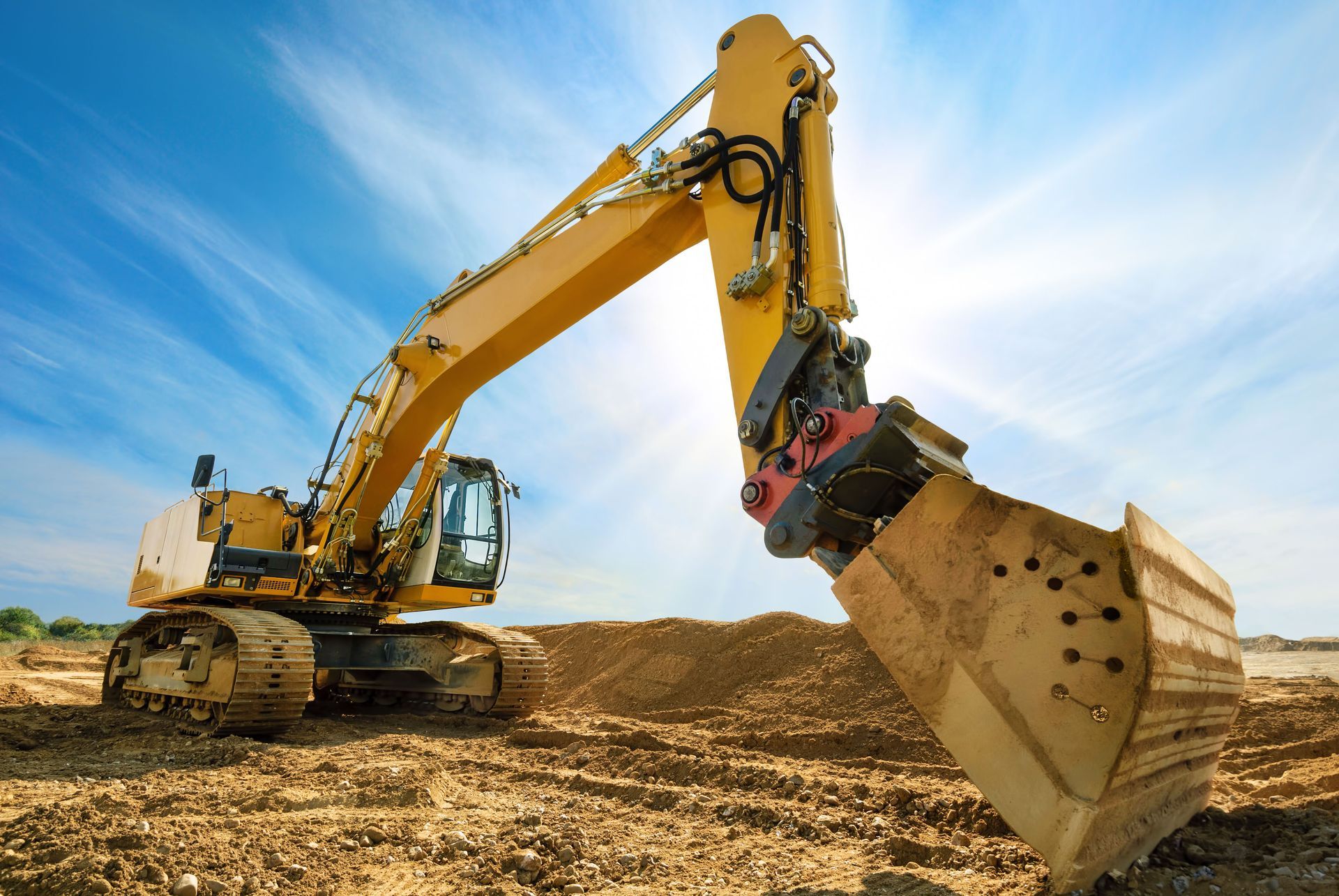
The acquisition of commercial earthmovers, heavy excavators, and industrial backhoes requires an immense upfront capital layout that can strain an organization's cash reserves. When these machines are only needed for a specific season, such as earthmoving during spring thaw or snow clearing during deep winter, purchasing them outright means locking up valuable capital in assets that will sit idle for the majority of the year. Instead of sinking cash into depreciating assets that offer zero return during off-peak months, smart operators utilize heavy equipment rental as a capital-preservation strategy to keep their balance sheets lean and liquid.
This financial flexibility allows contractors to allocate capital toward high-return operational areas, such as bidding on larger projects, hiring skilled labor, or investing in marketing campaigns to secure next season's contracts. By avoiding major down payments and high-interest financing packages, companies preserve their borrowing capacity for unexpected market downturns or sudden growth opportunities. Furthermore, the decision to rent converts what would have been a massive, fixed capital expenditure into a predictable, variable operating expense that directly correlates with active revenue-generating windows.
Eliminating Storage and Maintenance Overheads
Owning a fleet of heavy machinery comes with a continuous trail of hidden operational costs that persist long after the seasonal work has concluded. Secure storage facilities, winterization, routine mechanical servicing, and annual safety compliance inspections accumulate significant overhead, regardless of whether the machines are actively running or sitting in a yard collecting dust. Opting for heavy equipment rental completely shifts this burden, allowing businesses to return the machinery immediately upon project completion and stop paying for it the moment it is no longer earning revenue.
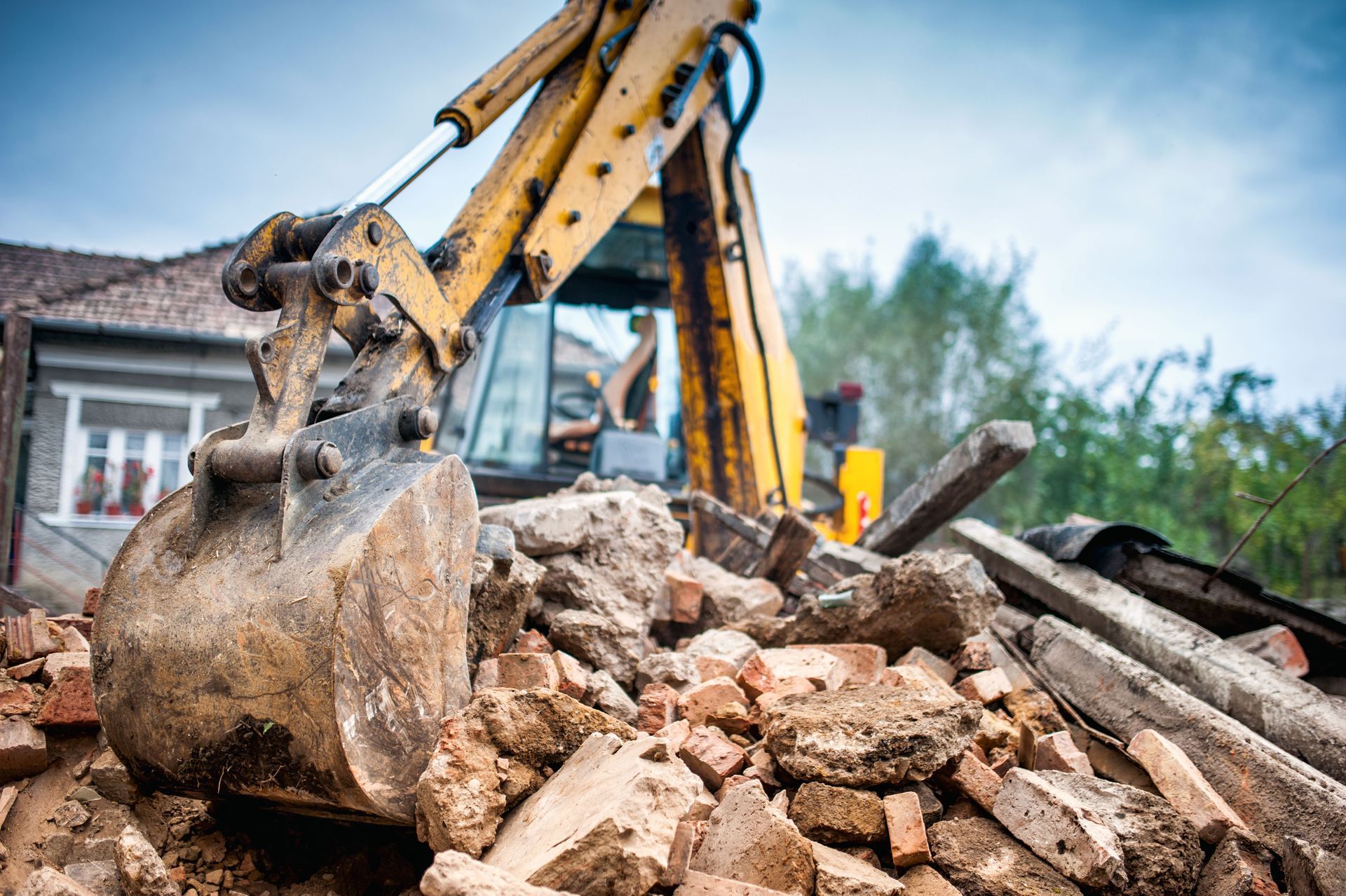
Additionally, maintenance risks are entirely managed by the rental agency's dedicated technicians, who ensure every machine is delivered in peak operating condition. If a hydraulic line ruptures or an engine throws a code on a rented excavator in the middle of a tight seasonal schedule, the rental provider is responsible for dispatching a mobile service truck or swapping the machine out entirely. This eliminates the need for contractors to maintain an in-house team of mechanics, stock expensive replacement parts, or pay for costly emergency field repairs out-of-pocket.
Matching Fleet Capabilities to Specific Projects
Seasonal contracts are rarely identical; a spring landscaping push might require compact track loaders and mini excavators, whereas a late-summer municipal road contract requires heavy asphalt rollers and full-sized wheel loaders. Purchasing a single, generalized fleet forces a contractor to shoehorn the wrong tools into specialized jobs, which drastically degrades project efficiency and increases wear and tear on the machinery. Leveraging heavy equipment rental allows project managers to select the exact make, model, size, and attachment configuration required for the unique parameters of each individual job.
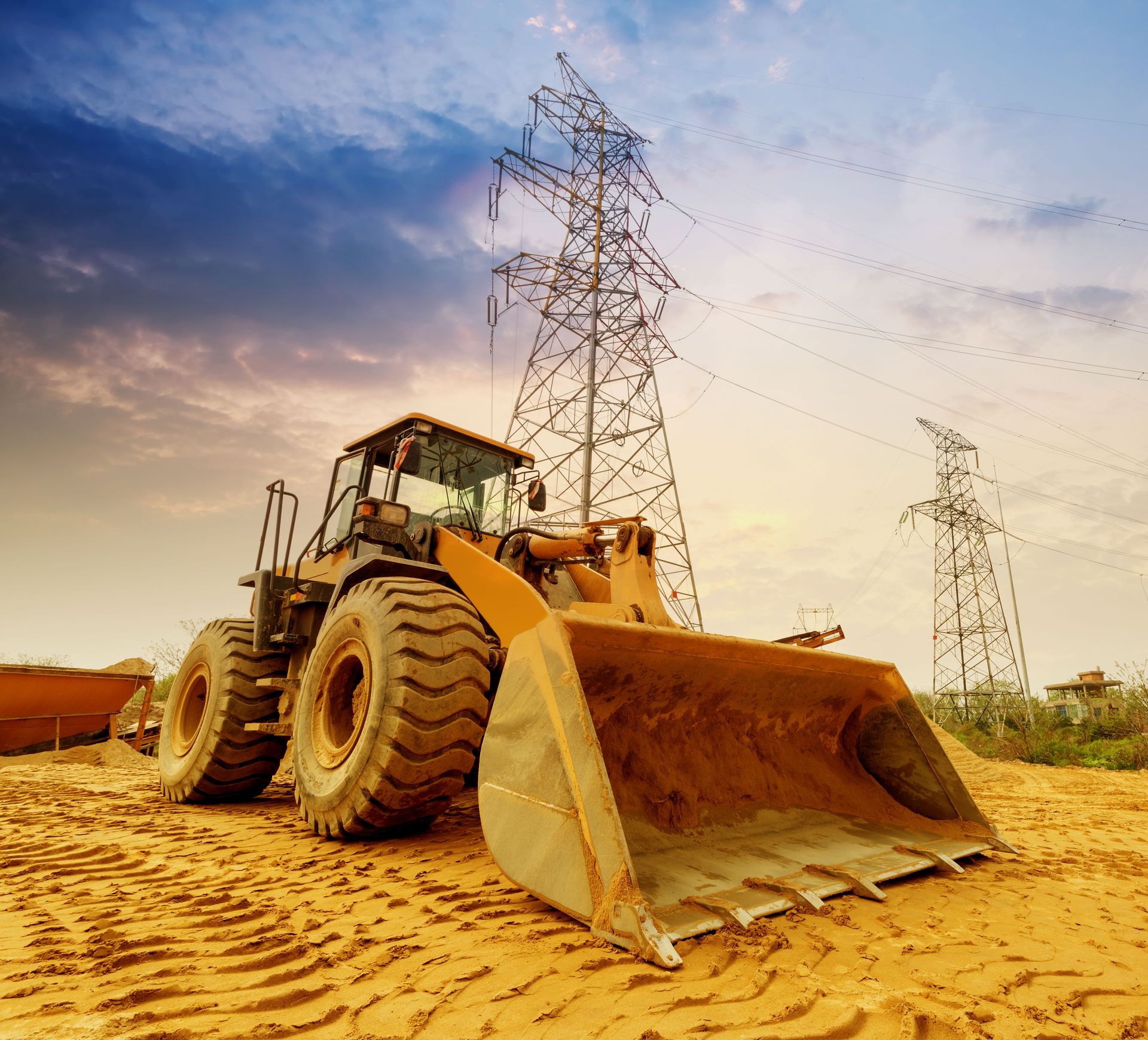
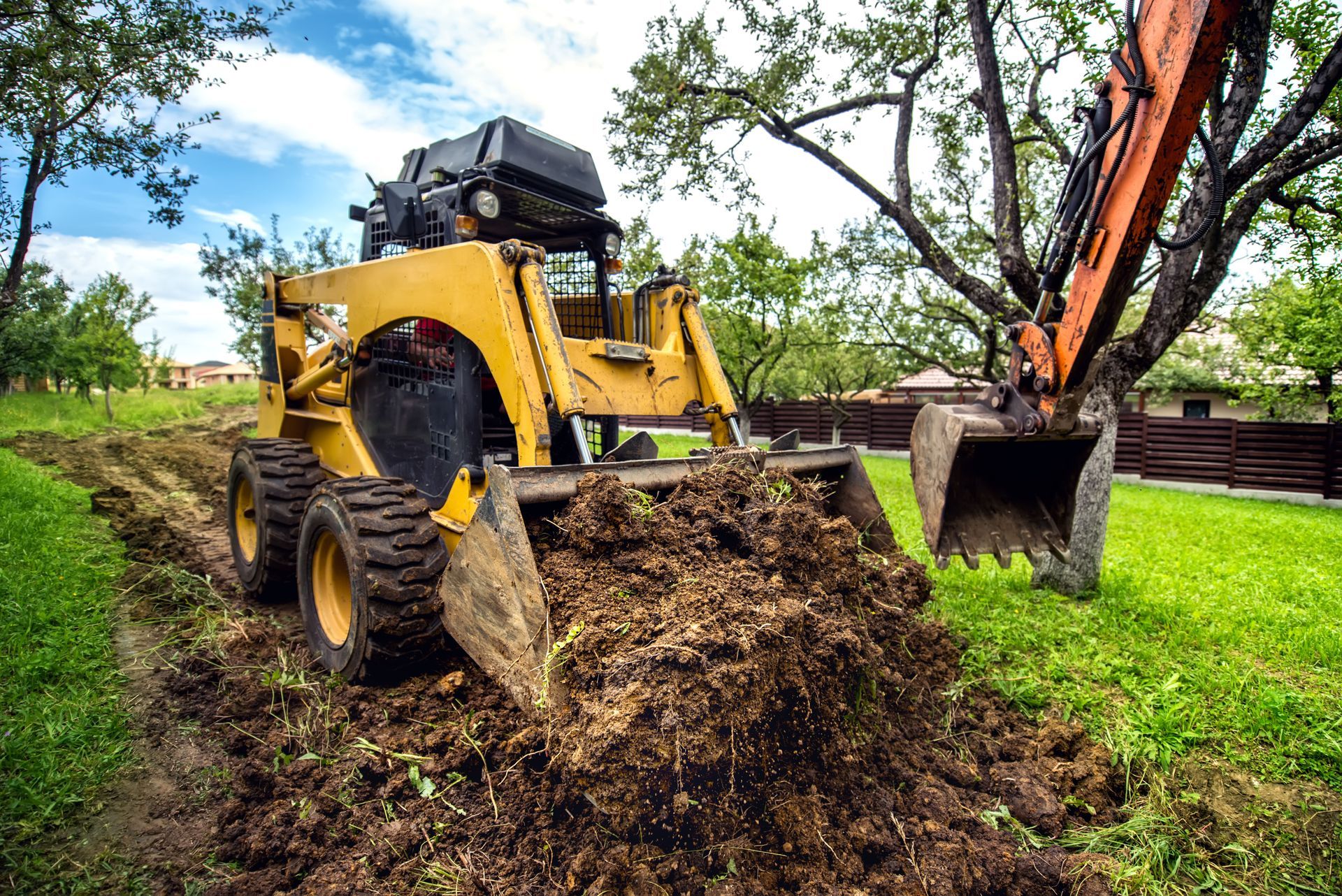
For example, a contractor handling seasonal agricultural clearing can rent a high-flow skid steer paired with heavy-duty brush cutters, while a winter contractor can secure a fleet of medium-duty wheel loaders equipped with high-capacity snow pushers. This level of precise targeting directly translates to faster cycle times, lower fuel consumption, and superior project outcomes. This adaptability is driving rapid adoption across the sector. According to a market analysis by Fortune Business Insights, the worldwide construction equipment rental sector is on track to reach a valuation of $164.6 billion by 2029.
Accessing Cutting-Edge Technology Without Risk
The pace of technological innovation in the construction and earthmoving sectors is accelerating, with modern machinery that dramatically boost fuel efficiency. For a small to mid-sized business, purchasing these high-tech machines is financially out of reach, and the rapid pace of obsolescence means a purchased machine may be technologically outdated within just a few years. This makes heavy equipment rental highly attractive for modern jobs, as rental fleets are continuously updated with the newest, most advanced models on the market.
By renting, contractors can deploy machines that allow operators to hit final grade in fewer passes, saving time and expensive sub-base material. They can also take advantage of modern fuel-efficient engines and automated systems that reduce operator fatigue, which is crucial when running long, intense shifts during short seasonal windows. Testing these advanced technologies on a rental basis also serves as a risk-free trial run, letting management evaluate the real-world utility of a specific technology before making any long-term purchasing commitments.
Scaling Fleet Size With Seasonal Fluctuations
Seasonal business models are inherently unpredictable, often dictated by volatile weather patterns, fluctuating municipal budgets, or sudden shifts in regional real estate development. A mild winter can leave a snow removal contractor with virtually no work, while an unusually wet spring can compress a grading contractor's entire working window into a frantic, high-intensity four-week block. Utilizing heavy equipment rental provides the ultimate buffer against this volatility, giving companies the ability to scale their fleet up or down on demand to match changing workloads.
If a contractor secures an unexpected mid-season contract that requires doubling their daily output, they can simply call their rental partner to have extra excavators, compactors, or telehandlers delivered to the site within a short period of time. Conversely, if a project gets shut down early due to unforeseen weather delays or regulatory hold-ups, the rented machinery can be off-rented and returned immediately, stopping the financial bleed instantly. Trying to achieve this level of operational elasticity with an owned fleet is impossible without incurring devastating financial losses from selling depreciated assets in a hurry.
Streamlining Tax Deductions and Balance Sheets
From an accounting perspective, the financial structure of renting equipment offers distinct advantages over ownership that directly improve a company's bottom-line performance. Purchased machinery must be capitalized as an asset on the balance sheet and slowly depreciated over its useful life, which complicates tax preparation and impacts debt-to-equity ratios. In our experience, incorporating heavy equipment rental costs directly into operating expenses allows businesses to write off a significant amount of the rental fees as direct project costs in the tax year they are incurred, simplifying tax compliance and lowering taxable income.
This accounting treatment keeps the balance sheet clean, as rental liabilities do not appear as long-term debt, making the company far more attractive to banks, investors, and sureties when seeking lines of credit or performance bonds for massive seasonal tenders. Furthermore, because rental costs are fixed and known upfront, bidding estimators can calculate exact machine operating costs per hour or per day when drafting project proposals. This highly predictable cost structure eliminates the guesswork of estimating long-term wear, depreciation, and unexpected breakdown costs, ensuring that bid margins remain accurate, protected, and profitable.
Renting heavy machinery provides seasonal businesses with the operational flexibility, financial security, and technological edge required to thrive in a highly competitive and volatile marketplace. By converting massive fixed ownership liabilities into lean, project-specific operating expenses, contractors can protect their working capital and scale their fleets to meet any challenge. Ultimately, partnering with a reliable rental provider is the smartest way to maximize seasonal productivity while completely insulating your company from the long-term risks of asset ownership. For more insights on how seasonal heavy equipment rental is beneficial to your project, please reach out to Koberstein Rental & Sales, Inc today.